
Optimal Timing for Land Clearings
Land clearings are most effective when performed during specific times of the year, depending on weather conditions and vegetation cycles. Proper timing can enhance efficiency, reduce costs, and improve safety during the process. Understanding seasonal patterns and environmental factors is essential for scheduling land clearing projects effectively.
Spring offers favorable conditions for land clearing with moderate temperatures and increased daylight, facilitating efficient work and quick soil drying after winter.
Summer provides longer days and warmer weather, but high temperatures and potential for rain can pose challenges, requiring careful planning.
Fall is ideal for land clearing due to cooler temperatures and dry soil conditions, which help prevent erosion and promote stable ground for future use.
Winter is generally less suitable due to frozen ground and snow cover, which can hinder equipment operation and increase safety risks.
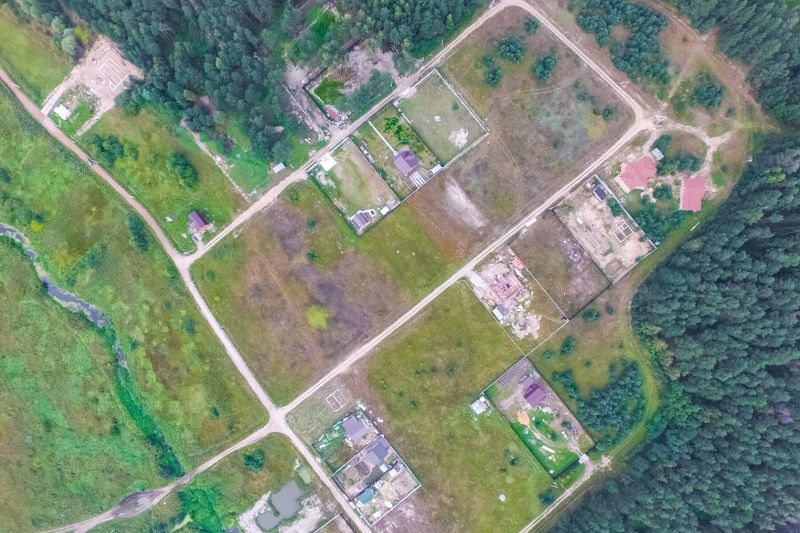
Ways to make Land Clearings work in tight or awkward layouts.
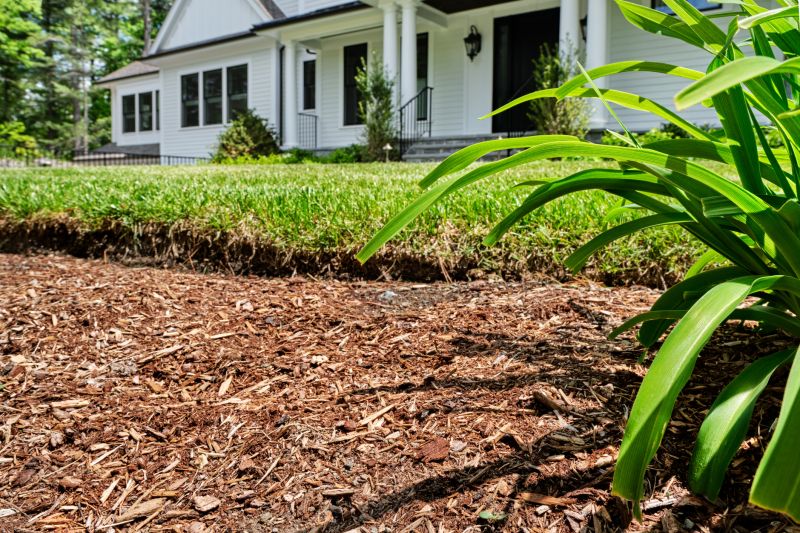
Popular materials for Land Clearings and why they hold up over time.
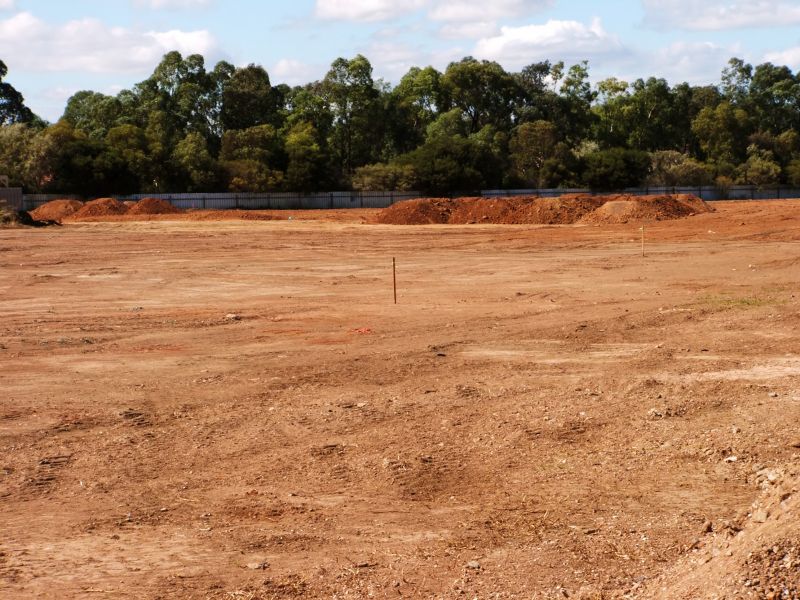
Simple add-ons that improve Land Clearings without blowing the budget.
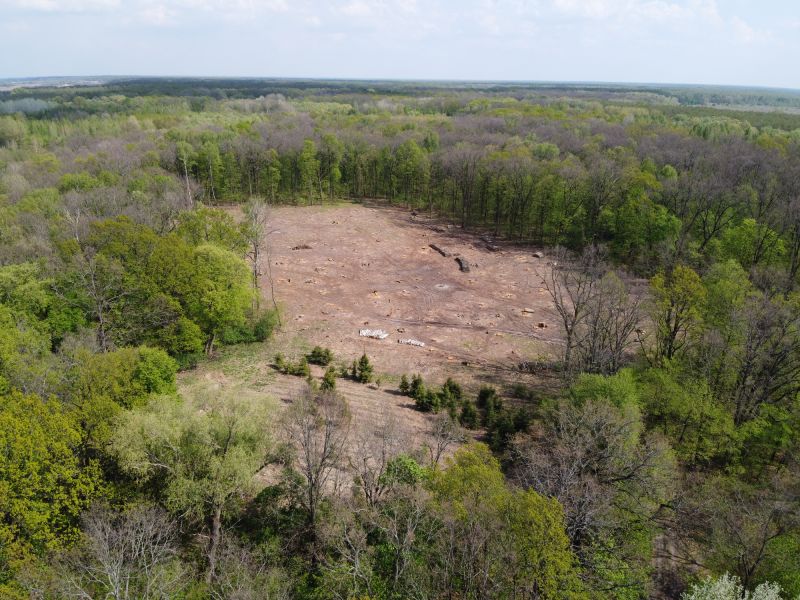
High-end options that actually feel worth it for Land Clearings.
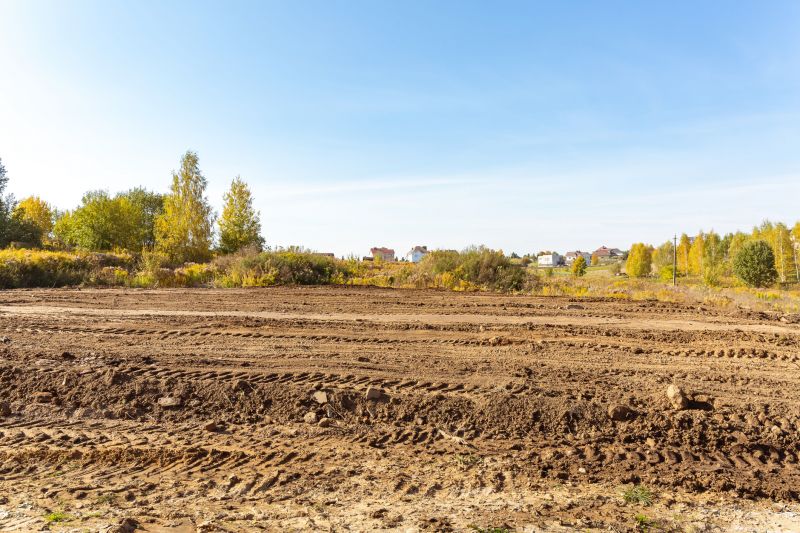
Finishes and colors that play nicely with Land Clearings.
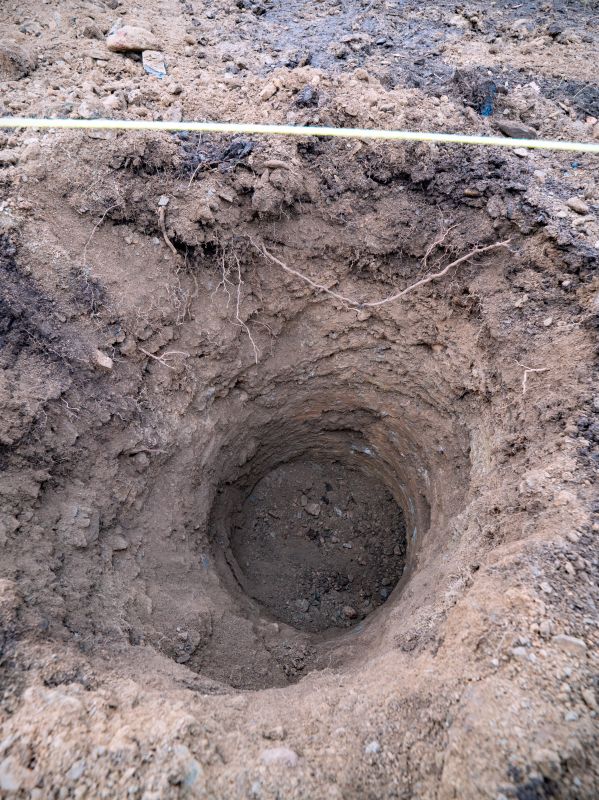
Little measurements that prevent headaches on Land Clearings day.
| Season | Ideal Conditions |
|---|---|
| Spring | Moderate temperatures, dry soil, increased daylight |
| Summer | Long days, warm weather, potential for rain |
| Fall | Cooler temperatures, dry soil, less vegetation growth |
| Winter | Frozen ground, snow cover, limited accessibility |
Land clearing involves removing trees, brush, and other vegetation to prepare a site for development or agriculture. Proper timing ensures minimal soil disturbance, reduces erosion, and facilitates subsequent land use activities. The choice of season can impact the duration, cost, and safety of the project, making seasonal considerations an essential part of planning.
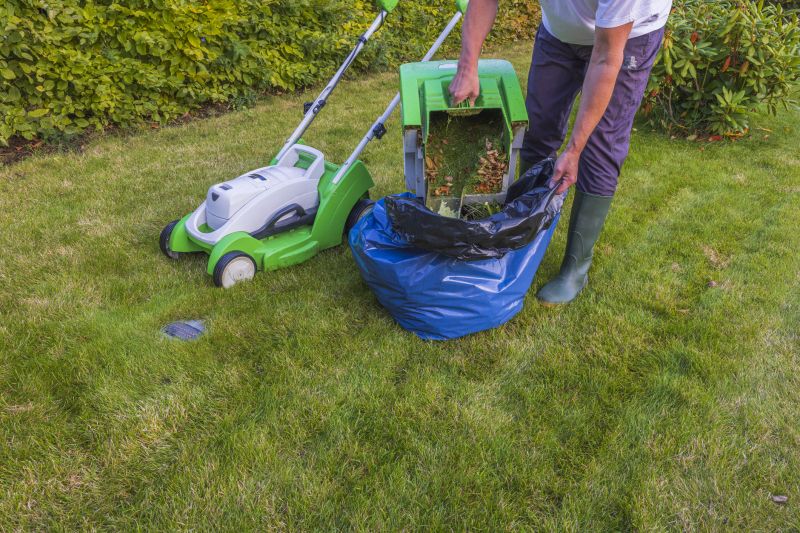
A 60-second routine that keeps Land Clearings looking new.
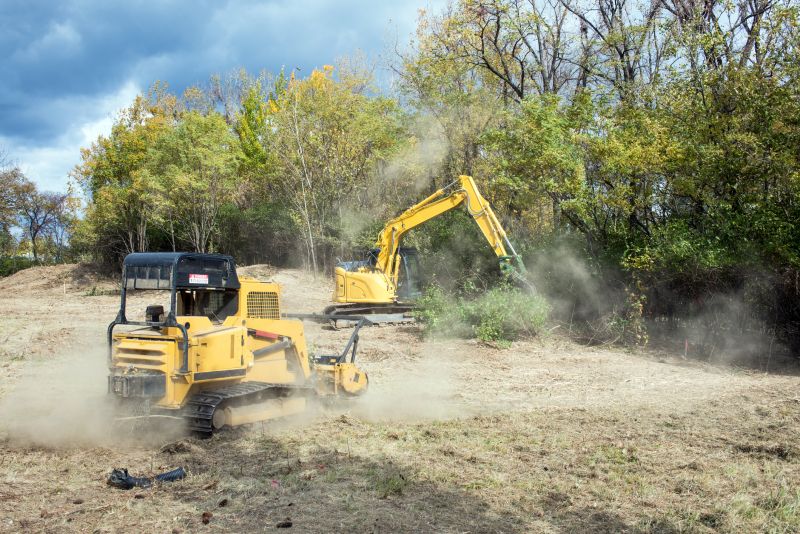
A frequent mistake in Land Clearings and how to dodge it.
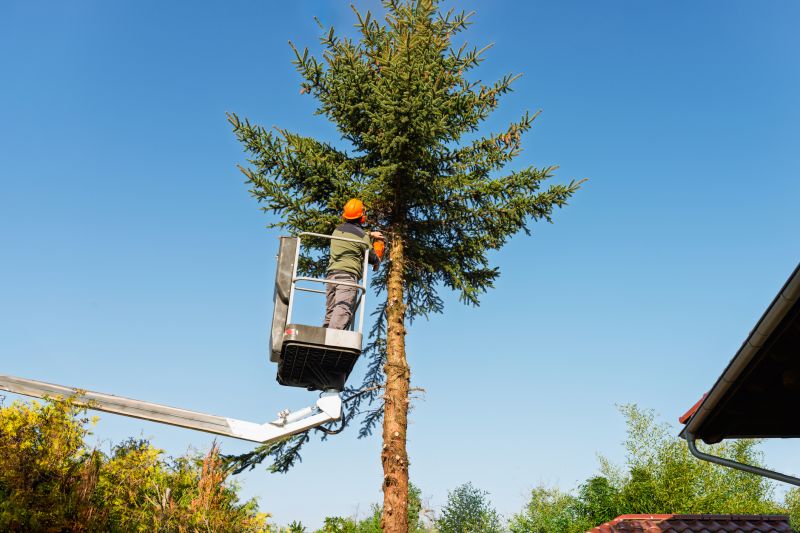
Small tweaks to make Land Clearings safer and easier to use.

Lower-waste or water-saving choices for Land Clearings.
Choosing the optimal time for land clearing can lead to smoother operations, reduced environmental impact, and better long-term results. Consulting with land management professionals can provide insights into seasonal best practices tailored to specific project requirements.
Interested in scheduling a land clearing project? Fill out the contact form to discuss options and timing tailored to specific site conditions.